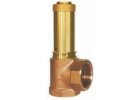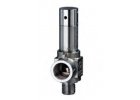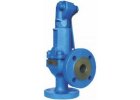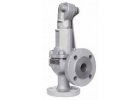

Safety valves certified TÜV-SV581-F
Safety valves are a key part of every pressure system – they provide the controlled release of excess media pressure from a vessel or pipe. Without a properly working safety valve, excessive pressure can damage equipment (by bursting a vessel, for example) and even injure people nearby. For these reasons it is essential that safety valves hold the appropriate certifications and have undergone thorough testing. Safety valves certified to TÜV-SV581-F meet strict safety and quality requirements for liquid media. Every safety valve bought from us is moreover supplied set to the required opening pressure and sealed, so it is ready for immediate installation in your pressure system.
What TÜV certification and the TÜV-SV581-F designation mean
TÜV (Technischer Überwachungsverein) is an independent German testing organisation for technical inspection and certification. TÜV certification of safety valves means the valve has undergone strict third-party testing and meets the standards laid down for safe operation. The designation TÜV-SV581-F is a specific TÜV type approval for safety valves. The abbreviation SV stands for „Sicherheitsventil“ (safety valve) and the letter F comes from the German Flüssigkeiten, meaning the certification covers use of the valve for liquids. The number 581 is the identification number of the certification report. A valve with this designation has been type-approved by TÜV for use on liquid media and meets the requirements of the relevant regulations (the AD 2000-Merkblatt standards for safety valves and the European Pressure Equipment Directive PED 2014/68/EU, for instance). It therefore also carries CE marking and compliance with applicable legislation is guaranteed.
#ShowMore#
Typical uses of TÜV-SV581-F safety valves
Safety valves certified to TÜV-SV581-F are intended above all for liquid media. Typical applications cover a wide range of equipment and operations where the system must be protected against a dangerous rise in liquid pressure:
- Water systems: Protecting water heaters, cylinders, hot water tanks and other vessels where water pressure can rise (through heating or pumping, for example).
- Oils and lubricants: Ensuring safety in hydraulic and lubrication circuits, oil tanks or machine oil systems. The valves prevent excessive oil pressure in the system, which matters for hydraulic presses or lifting equipment, for instance.
- Coolants and glycols: Use in cooling circuits and HVAC systems where water with glycol circulates (in heat exchangers, solar systems or heat pumps, for example). The valve protects pipework and exchangers from pressure surges caused by thermal expansion of the liquid.
- Other liquids: Generally all inert, non-flammable and non-toxic liquids (group 2 liquids under the PED), such as diesel or cutting emulsion in machine tools. The TÜV-SV581-F safety valve ensures safe release of overpressure in these media too.
Note: The F (Flüssigkeiten) certification means the valve is tested for liquids. For gaseous media, steam or air, valves with a different certification are used (typically marked D/G or S/G for vapours and gases). So if you need a valve for air or steam, look for the TÜV-SV746 D/G certification intended for those purposes. You will find the complete range in the safety valves – all designs category.
Design features and quality requirements of TÜV-SV581-F valves
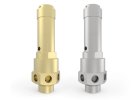
Design: Safety valves certified to TÜV-SV581-F are generally direct-acting spring valves in an angle design (inlet from below, outlet to the side). This design makes it easy to connect a discharge pipe to carry the liquid away when the valve opens. The valve body is usually made of quality materials resistant to liquids – most often brass, bronze (gunmetal) or stainless steel. These materials provide corrosion resistance and sufficient strength under pressure. The spring inside the valve is calibrated to the required opening pressure and, together with the valve disc, keeps the valve closed until the set pressure is reached.
Seals and tightness: To achieve high tightness, liquid safety valves tend to have a soft seat with an elastomer seal. NBR or EPDM rubber is used for water and glycols (temperature resistant to about 120 °C), or a special fluorinated elastomer (FKM/Viton) for oils and diesel. A quality seal guarantees that the closed valve does not let liquid through (up to a pressure just below the set value). Among the design features, the spring cover is also worth mentioning: on valves for liquids it is often open or vented to the surroundings, because escaping liquid does not present the risk of dispersal into the air that gases do. Each valve also has important data stamped on the body (set pressure, TÜV certification mark, material and so on) for easy identification and checking.
Quality requirements and standards: TÜV-SV581-F certification guarantees that the valve met strict requirements in the type test. That test verifies correct function (opening at the given pressure, closing after the pressure drops), sufficient flow capacity for the medium and mechanical resistance. The valves must comply with standards such as EN ISO 4126-1 (the European standard for safety valve design) and the AD 2000-Merkblatt mentioned (German pressure equipment regulations). Part of the quality requirements is compliance with the European PED directive – the valve maker is therefore supervised by a notified body (TÜV) and every valve is supplied with a declaration of conformity (CE). In practice that means a valve certified to TÜV-SV581-F is safe, reliable and ready for use in an industrial plant or other equipment without further testing.
Advantages of using TÜV-SV581-F certified valves
Using a safety valve with this certification brings a number of advantages:
- High safety and reliability: Independent TÜV certification gives certainty that the valve meets all safety standards. The risk of failure is minimised – the valve will open exactly as it should when needed and protect your equipment.
- High tightness when closed: Thanks to quality machining of the seat and a suitable seal, the valve does not leak medium during normal operation. That matters particularly with liquids, where even a slight leak would mean loss of medium or dripping.
- Accurate pressure setting: The valves are set precisely to the required opening pressure. They open on reaching the calibrated value with a small tolerance and close tightly again once the pressure falls. They thereby keep the system within a safe pressure range and prevent frequent unwanted blow-off.
- Compliance with regulations (PED): A valve carrying the TÜV-SV581-F certificate automatically meets the requirements of the PED directive and bears CE marking. You need not fear problems during inspections – using such a valve is fine from the legislative point of view.
- Build quality and long service life: Certified valves are usually made by reputable manufacturers (HEROSE among others) from first-class materials. Investing in a quality safety valve pays off, as it keeps its setting accuracy and tightness over a long period of operation and resists corrosion and wear.
Recommendations for choosing a safety valve (practical tips)
When choosing a safety valve for liquid media certified to TÜV-SV581-F, take several important aspects into account:
- Determining the medium: Make sure your valve really will be used for a liquid. For water, oils or glycol, the F certification is the ideal choice. If the medium could pass into the gaseous phase (superheated water forming steam, for example), consult on a suitable valve type – a valve certified for steam as well may be needed.
- Set pressure: Choose the correct opening (set) pressure. It should be somewhat higher than the maximum normal working pressure of the system, but not higher than the maximum allowable pressure of the equipment. We set the safety valves in our range to the required pressure at the works – so state the pressure you need when ordering. Never adjust the valve yourself; interfering with the setting would invalidate the certification and could endanger safety.
- Flow capacity: Every valve has a certain capacity, that is, the maximum flow it can release when open. In practical terms it is important for the valve's capacity to exceed the potential inflow or generation of excess medium in your system. With a pump or heater that can raise the pressure, for example, the valve must be able to release as much liquid as the equipment can deliver or create in an emergency. Valve data sheets usually give flow figures for water at various pressures – compare them with the requirements of your system.
- Size and connection: Choose a suitable valve bore (DN) and connection type. Most smaller safety valves for liquids have a threaded connection (G 1/2", G 3/4" and so on), which should match the port on your vessel or pipe. Flanged valves are available for larger flows. Make sure the valve fits the installation point both dimensionally and mechanically.
- Material and resistance: If you work with a specific liquid (a more aggressive chemical or high-temperature oil, for instance), check the body and seal material of the valve for chemical and thermal resistance. For ordinary water, heating water with glycol or mineral oils, standard bronze/brass valves with NBR/EPDM seals are suitable. In more demanding conditions (corrosive liquids, for example) choose a stainless steel valve.
- Correct installation: From a practical point of view we recommend installing the safety valve as close as possible to the protected vessel or equipment, on a vertical outlet pointing upwards (the valve should ideally be vertical). There must be no shut-off between the valve and the protected equipment that could block the pressure path. Direct the valve outlet (discharge) to a safe place or connect it to a drain pipe so that opening does not spray liquid over the surroundings.
If you are unsure about the right choice of safety valve, use our advice centre – the article How to choose the right safety valve gives detailed advice and explanations. You are of course also welcome to contact us directly for a consultation; we will gladly help you select the optimal solution tailored to your equipment. With a quality safety valve certified to TÜV-SV581-F you gain certainty of safe operation and long-term protection of your technology.
.jpg)