

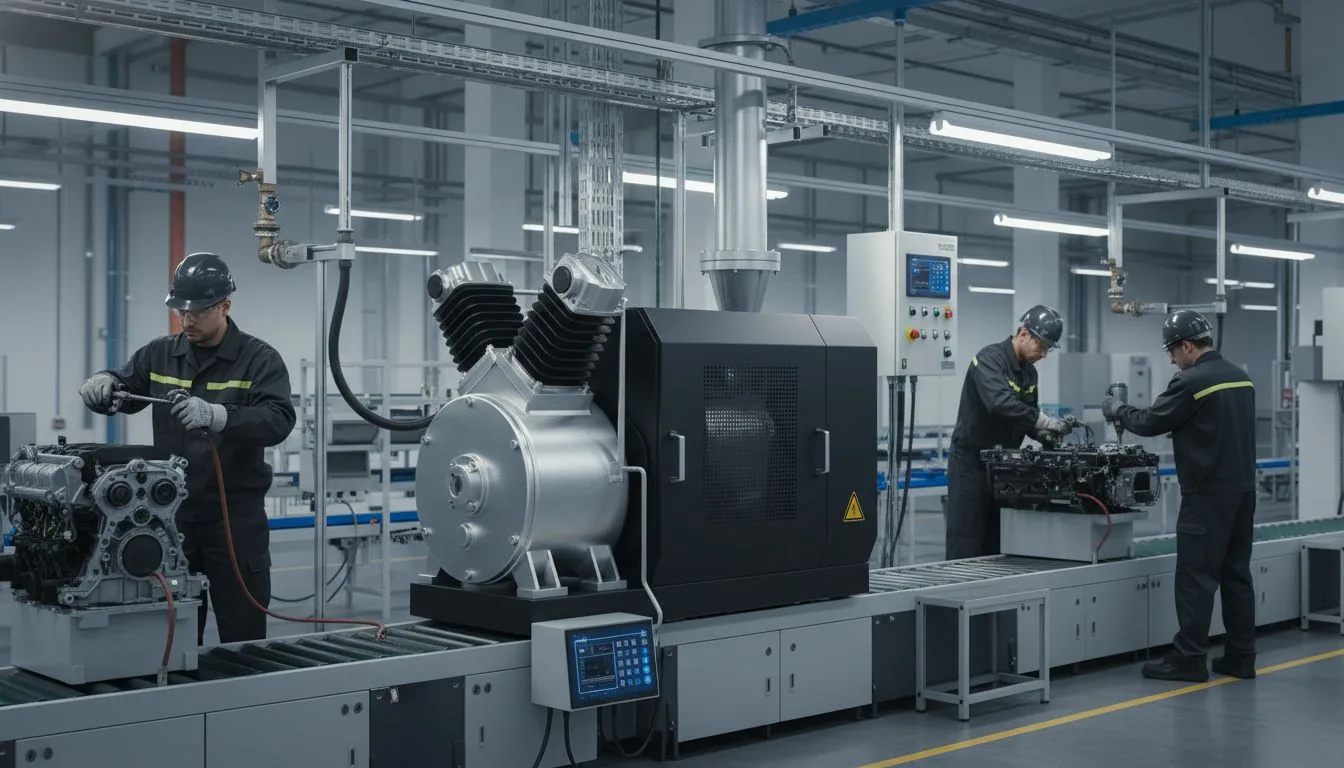
Air compressors power not only huge production lines but also small craft workshops and modern home garages. Without these machines, as much as 90 percent of industrial processes would be limited or impossible. Understanding the principle of compressed air and the individual types of compressor is therefore key both to choosing the right equipment and to safe operation in practice. This foundation opens the way to efficiency and a long service life of the equipment.
Contents
Key takeaways
| Key point | Details |
|---|---|
| How an air compressor works | The compressor converts electrical or mechanical energy into compressed air, which is key to various industrial and craft applications. |
| Types of compressor | The main types are piston, screw, diaphragm and centrifugal compressors, each with specific properties and uses. |
| Use of compressors | Compressors are widely used in the automotive industry, construction and industrial production for driving tools, for assembly and for maintenance. |
| Safety and maintenance | Regular maintenance and compliance with safety standards are key to reliable and safe operation of a compressor. |
What an air compressor is and how it works
An air compressor is a machine that converts electrical or mechanical energy into compressed air. It serves as an essential source of energy for a range of industrial, professional and craft applications.
The working principle of an air compressor is based on compressing air. Damthoitrang explains that the compressor works through radial acceleration, where an impeller enclosed in a housing converts kinetic energy into pressure energy. The air enters axially and is then discharged radially, with its velocity and pressure rising.
The most important components of an air compressor include:
-
An electric motor or a combustion engine
-
The compressor unit
-
An air receiver (tank for the compressed air)
-
A control system
-
A cooling mechanism
Air compressors differ in the way they compress the air. The main types are piston, screw and diaphragm compressors. Each type has specific properties and suits different industrial and craft applications, from light assembly work to demanding industrial operation.
The reliability and output of a compressor depend on its design, the quality of the components and regular maintenance. Compressors with various pressure ratings allow flexible use across a wide variety of operations and applications.
The main types of air compressor
Air compressors fall into several basic categories that differ in design, output and their intended use in various industrial and professional applications.
Damthoitrang describes centrifugal compressors as a special type of machine using a rotating impeller to accelerate and then compress the air. These compressors are ideal for applications requiring high pressure at low flow and are found mainly in demanding industrial operations.
The main types of air compressor include:
- Piston compressors
-
The most widespread type for smaller and medium operations
-
Suited to tradespeople and small industrial operations
-
Lower purchase cost
- Screw compressors
-
Intended for continuous operation
-
Higher output and reliability
-
Suited to large industrial companies
- Diaphragm compressors
-
Suited to special applications
-
Minimal risk of contaminating the medium
-
Used in the food industry and pharmaceuticals
- Centrifugal compressors
-
High pressure at low flow
-
More complex design
-
Used in energy and heavy industry
Compressors – a wide choice of piston and screw compressors offer professional solutions for various technical requirements. Every type of compressor has its particular strengths, and it is important to choose equipment that matches the specific operating needs.

Air compressors in practice
Air compressors are versatile machines used in dozens of industrial, craft and consumer applications. Their ability to convert electrical energy into compressed air is key to a whole range of professional activities.
Isost points out the significant use of compressors in woodworking, specifically when working with pneumatic tools such as nail guns. Setting the air pressure correctly is essential there for safe and efficient operation.
The main areas of use for air compressors include:
-
Construction and trades
-
Spraying paints and coatings
-
Inflating tyres
-
Cleaning machinery
-
Automotive industry
-
Pneumatic lifts
-
Setting up and testing systems
-
Painting bodywork
-
Industrial production
-
Automated production lines
-
Pneumatic conveyors
-
Control of industrial valves
-
Packaging machines
Valves and cylinders for compressed air in automation show how essential a role air compressors play in modern industrial processes. Every industrial sector finds its own specific ways of using them, which underlines the extraordinary flexibility of these machines.
Other significant applications include, according to Savagerose, winterising motorhomes, where compressors are used to blow the residual water out of the water system and so prevent freezing and damage to the pipes. This application shows that the importance of air compressors goes beyond traditional industrial use.
Key properties and important parameters
Air compressors are complex technical machines whose output and reliability depend on a range of key parameters. Professional users must weigh the technical specifications carefully when choosing a suitable compressor for a specific application.
Arquidiamantina stresses the critical importance of choosing the right oil, which directly affects the performance and service life of the compressor. Synthetic oils offer a range of advantages, including lower operating temperatures and a minimum of deposits.
The key parameters of air compressors include:
-
Output and power input
-
Maximum pressure (bar)
-
Air receiver volume
-
Air flow (l/min)
-
Electrical power input (kW)
-
Technical characteristics
-
Noise level
-
Drive type (electric/combustion)
-
Method of cooling
-
Material design
-
Operating properties
-
Starting current
-
Operating temperature
-
Method of pressure regulation
-
Maintenance interval
Compressors with a 500 l pressure vessel show how markedly the size of the air receiver affects the overall output and usability of a compressor in various industrial applications.
Contimac points out the essential safety aspects to consider when operating a compressor. These include avoiding direct contact with hot components, using personal protective equipment and regular preventive maintenance, which guarantee safe and reliable operation of the equipment.
Risks, maintenance and tips for safe operation
Safe operation of an air compressor requires a comprehensive approach covering preventive maintenance, compliance with safety principles and regular checks of the technical condition of the equipment. Underestimating these aspects can lead to serious operating risks and premature wear.
Contimac stresses the critical safety requirements, which include following the manufacturer instructions, regular maintenance and the use of appropriate protective equipment. Placing the compressor on a stable surface and connecting all components correctly are also essential.
The key safety principles include:
-
Preventive checks
-
Regular cleaning
-
Checking for tightness
-
Measuring operating parameters
-
Timely replacement of worn parts
-
Protective measures
-
Wearing safety glasses
-
Hearing protection
-
Safety gloves
-
Suitable working clothes
-
Technical requirements
-
Sufficient ventilation of the space
-
Checking the electrical connections
-
Monitoring the pressure parameters
-
Preventing contact with hot parts
Arquidiamantina points out the critical importance of choosing the right oil, which directly affects operating safety. Synthetic oils offer a higher auto-ignition temperature and minimise the risks associated with excessive wear and overheating.
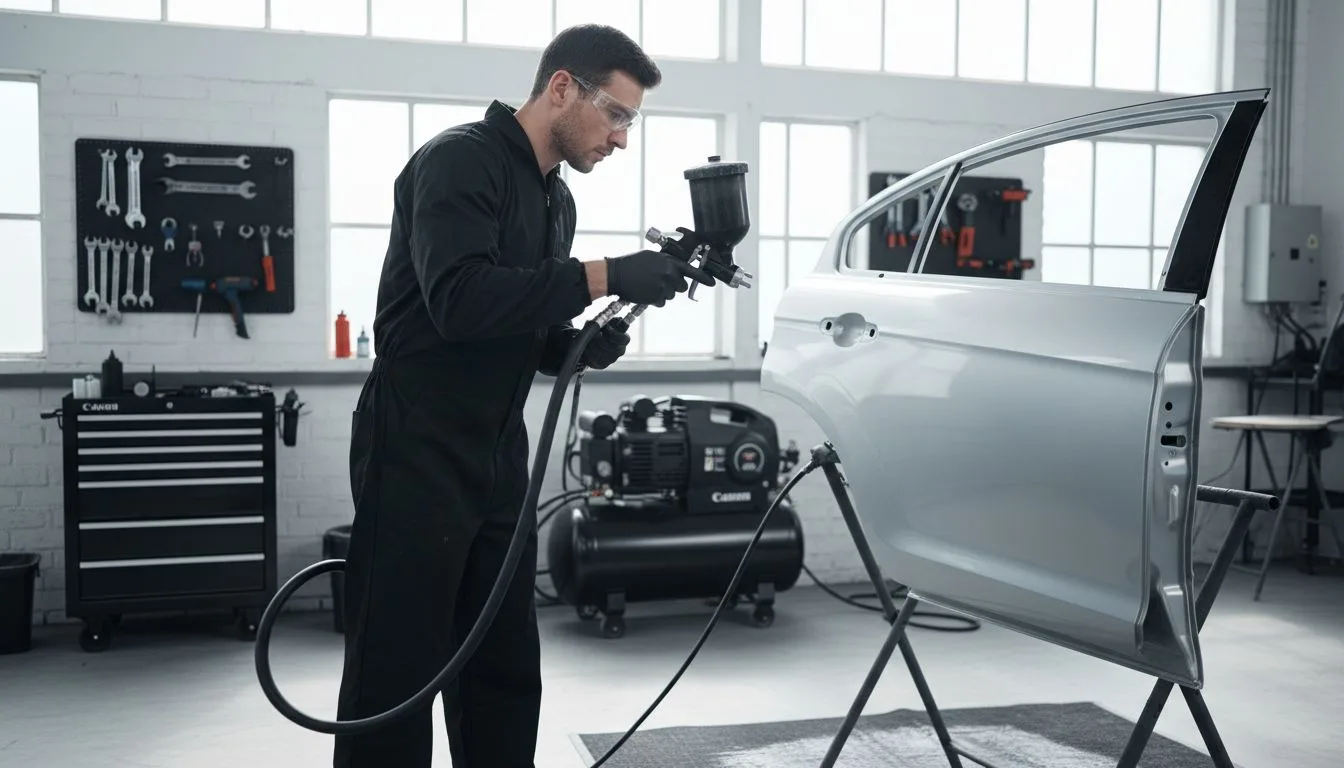
Spray guns for painting are one example of specialised equipment where following the safety principles plays an absolutely essential role in everyday operation.
Find the ideal air compressor for your needs
If the article has told you about the importance of choosing the right air compressor and its key parameters such as output, maximum pressure and drive type, you surely know how demanding it can be to find the right machine for your specific use. The question of safe operation and maintenance only underlines the need for reliable, quality equipment that will not let you down in the demanding conditions of industry, the workshop or the hobby bench.

At https://kompresory-vzduchotechnika.cz you will find a wide range of piston and screw compressors as well as spray guns for professional painting, which meet the strictest standards of quality and safety. See for yourself how easy it is to choose equipment with detailed descriptions, images and current stock levels in one place.
Do not hesitate to get equipment that makes your work easier and increases productivity at the same time. Visit our portal https://kompresory-vzduchotechnika.cz today and take advantage of the special offers and advice on choosing the right compressor exactly for your operation.
Frequently asked questions
What are the main types of air compressor?
Air compressors fall into several types, such as piston, screw, diaphragm and centrifugal compressors. Each type has specific properties and suits different applications.
How does an air compressor work?
An air compressor converts electrical or mechanical energy into compressed air by compressing the air, raising its velocity and pressure through various mechanical components.
Which key parameters of an air compressor should you focus on when choosing?
The key parameters include output, maximum pressure, air receiver volume, air flow and noise level. These specifications affect the efficiency and reliability of the compressor.
What risks come with operating an air compressor and how can they be minimised?
The risks include overheating, injuries caused by improper use and wear of the equipment. It is important to carry out maintenance regularly, follow the safety principles and use protective equipment.