
TL;DR:
- A decompressor reduces the resistance when starting an engine and protects pressure systems from overpressure.
- There are manual, automatic and electronic decompressors suitable for various industrial applications.
- Correct maintenance and the choice of decompressor are the key to reliability and low operating costs.
The decompressor is an often underestimated element in industrial practice. Many technicians consider it a superfluous accessory which can be left out in an emergency. The opposite is true. A decompressor is a valve in combustion engines which temporarily reduces the compression in the cylinders and makes it possible to start the engine easily. Without it, starting engines with a high compression ratio would require considerably higher force or would lead to damage of the clutch. In industrial applications, moreover, analogous principles of decompression protect whole pressure systems from dangerous overpressure and ensure compliance with legislative standards.
Contents
- How a decompressor works in industrial engines
- Practical use of decompressors in industrial applications
- Comparison of types of decompressor: manual vs. automatic
- Safety and legislation: decompressors in the context of pressure and valves
- Why a real understanding of decompressors is the key to reliability
- A practical solution and products for effective decompression
- Frequently asked questions
Key findings
| Point | Details |
|---|---|
| The decompressor makes starting easier | Reducing the compression in the cylinder makes a more reliable and safer start of the engine possible even in demanding operating conditions. |
| A fundamental role in safety | In industrial applications correct decompression is key to meeting safety standards and preventing accidents. |
| Choice of type according to use | Both manual and automatic variants have their place – what decides is the required degree of automation and the environment. |
| Legislative requirements | The ČSN EN standards require safety valves or similar devices for safe work with pressure systems. |
How a decompressor works in industrial engines
Understanding the function of the decompressor begins with the principle of the combustion engine itself. On starting, the piston has to overcome the resistance of the compressed air in the cylinder. In engines with a high compression ratio, for example in diesel generating sets or powerful single-cylinder engines, this resistance is so great that a manual or electric starter is not enough without help.
The decompression valve opens the exhaust valve during the compression stroke and releases the excess pressure from the cylinder. This significantly reduces the resistance which the starter has to overcome. As soon as the engine reaches sufficient revolutions, the valve closes and the engine passes into the normal working cycle.
In practice there are two basic types of decompression valve:
- Manual decompression valve: The operator activates it by hand before starting, most often with a lever or a button. After starting the engine they close the valve again by hand. This type is cheaper and mechanically simpler, but it requires the intervention of the operator.
- Automatic decompression valve: It works without the intervention of the operator. At low revolutions (starting) the valve is open, on reaching the operating revolutions it closes automatically with the help of a centrifugal mechanism or a spring. This type is preferred in modern industrial equipment.
- Electronically controlled valve: It is used in advanced systems where the engine control unit manages the whole process of decompression on the basis of data from sensors.
A key parameter is the precise timing of the opening and closing of the valve. A badly adjusted decompressor can cause a difficult start or, on the contrary, a loss of power in operation. Regular checking and adjustment are therefore part of the standard maintenance of every piece of equipment with a decompressor.
Professional tip: When choosing a decompression valve always verify compatibility with the specific type of engine and its compression ratio. Manufacturers state the maximum permissible pressure at which the valve works correctly. Exceeding this limit leads to incomplete decompression and damage to the starter.
For technicians working with systems where energy saving with SCR is key, it is important to know that the correct function of the decompressor directly influences the energy consumption when starting the generating set. An inefficient start increases the overall operating costs. A practical comparison of various types of valve can be followed on a practical demonstration from real operation.
Practical use of decompressors in industrial applications
The decompressor is not exclusively a matter of small engines. Its principle is applied in a whole range of industrial equipment where it is necessary to control pressure safely when starting or shutting down the system.
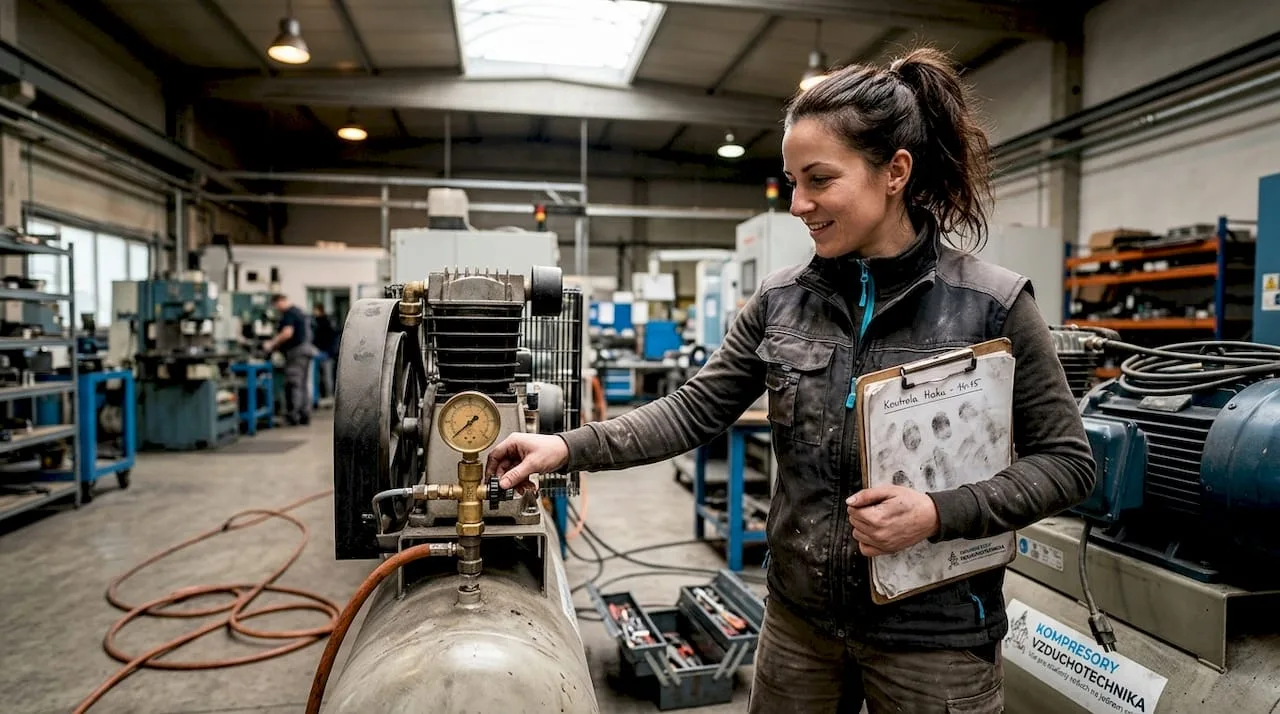
Decompressors are used above all in small combustion engines, such as mopeds, agricultural tractors or chainsaws. The high compression ratio of these engines would, without a decompressor, make a manual start impossible or considerably shorten the life of the starter.
Specific industrial applications include:
- Agricultural machines: Tractors and combine harvesters with diesel engines use automatic decompressors for a reliable start at low temperatures. At temperatures below zero the compression is even harder to overcome.
- Standby generating sets: Industrial generators which have to start quickly during a power failure are equipped with automatic decompressors for a guaranteed start within 10 seconds.
- Construction machinery: Compressors and drilling equipment with petrol or diesel engines require a decompressor for reliable everyday operation.
- Marine engines: Smaller marine engines, especially single-cylinder diesels, are equipped with manual decompressors as standard.
- Industrial pumps and compressors: Large piston compressors use decompression valves for an unloaded start, thereby protecting the electric motor from overloading during run-up.
“The correct function of the decompressor is the basis of reliable operation of every piece of equipment with a high compression ratio. The absence of this element leads to rapid wear of the starting mechanisms and increases the risk of failure at the critical moment.”
For higher efficiency in production it is key to dimension the whole system including the decompressor correctly. Underestimating this element shows up in the operating costs as well as in reliability. When working with pressure systems it is also necessary to observe the safety rules for work with compressors, which apply to equipment with decompression valves too.
For service and repairs there are specialised sets, for example a service set for JIKOV, which contains all the necessary parts for a complete repair of the decompression valve including seals and springs.
Comparison of types of decompressor: manual vs. automatic
The choice between a manual and an automatic decompressor depends on the specific application, the frequency of starting and the requirements on the operator. Every type has its specific advantages and limitations.
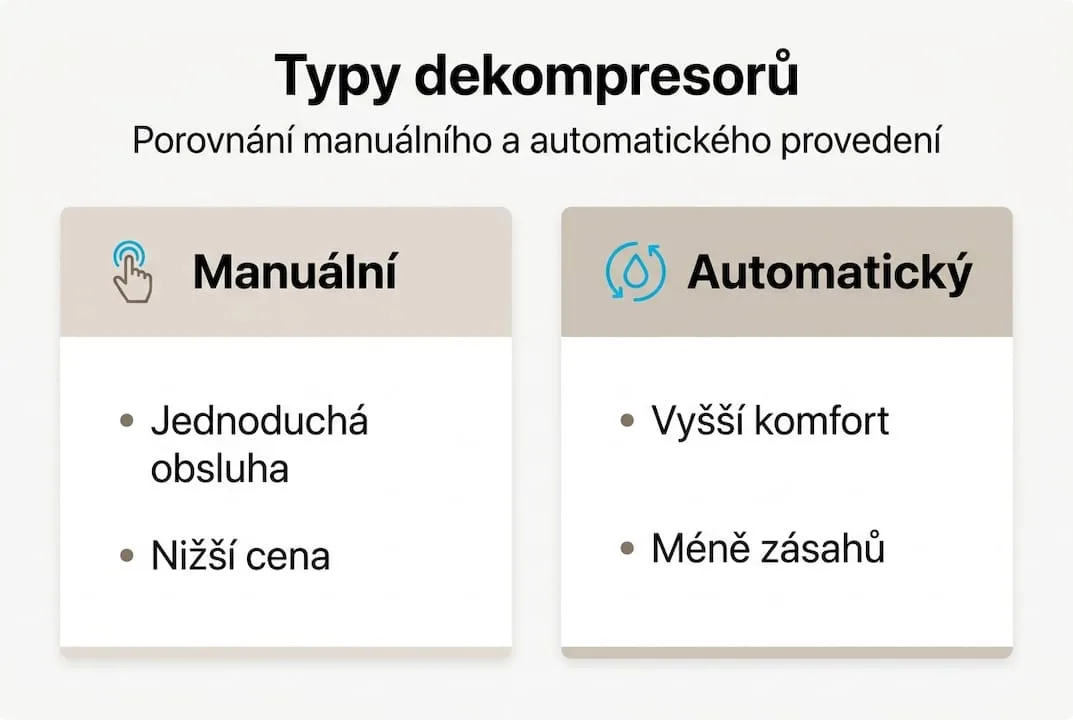
| Parameter | Manual decompressor | Automatic decompressor |
|---|---|---|
| Price | Lower | Higher |
| Demands on the operator | Higher, requires intervention | Minimal |
| Reliability | Depends on the operator | Consistent |
| Suitability for operation | Occasional operation | Continuous operation |
| Risk of operator error | Higher | Low |
| Service life | Depends on maintenance | Longer with correct maintenance |
| Typical use | Small engines, manual start | Industrial generating sets, generators |
The manual decompressor has its place in plants where starting is exceptional and the operator is experienced. The lower purchase price and simple construction mean fewer potential points of failure. A disadvantage is the dependence on the correct procedure of the operator.
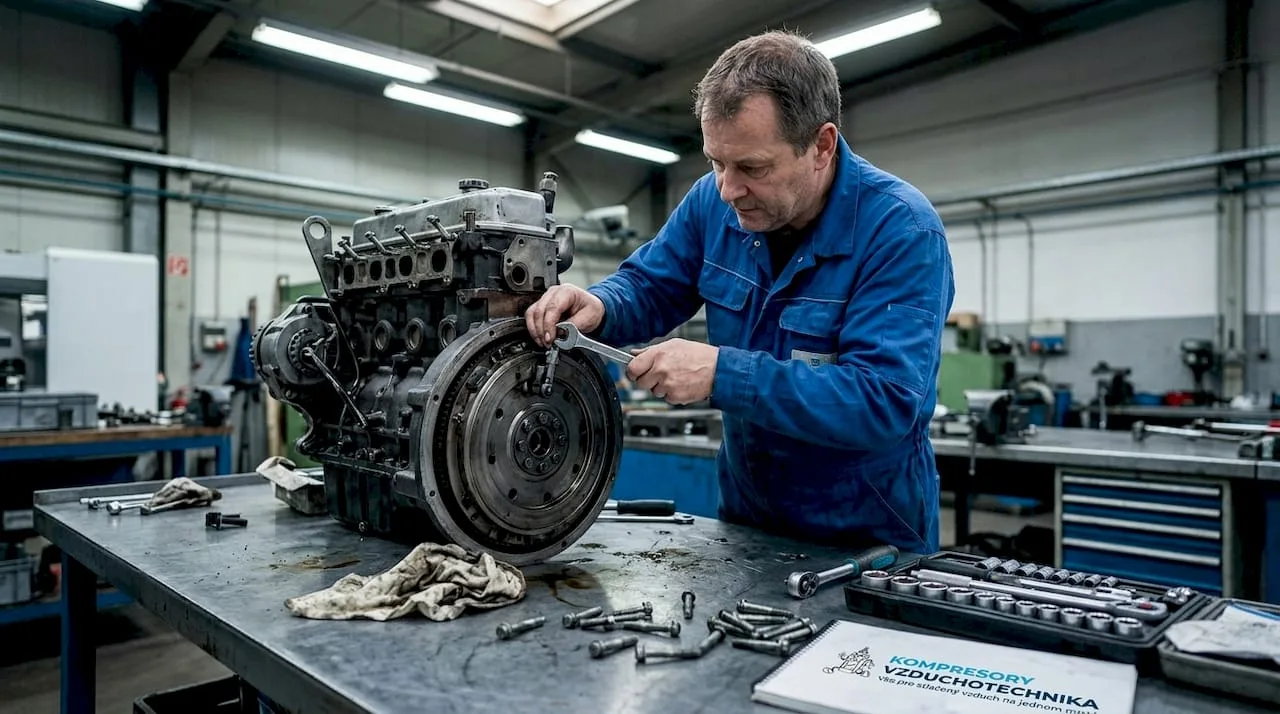
Not using the decompressor or operating it incorrectly leads to slipping of the clutch when starting. High compression overloads the whole starting mechanism and shortens its life. This is the most frequent cause of premature failure of the clutch in engines without a functioning decompressor.
The automatic decompressor eliminates the risk of human error. It is ideal for:
- Standby systems where the engine has to start without an operator being present
- Industrial generating sets with a high frequency of starting
- Equipment operated by less experienced personnel
- Systems with automatic control and remote start
Professional tip: When changing from a manual to an automatic decompressor always check compatibility with the existing starting system. The automatic valve requires precise adjustment of the revolutions at which it closes. Incorrect adjustment can cause the valve to remain open even in full operation, which leads to a loss of power.
To prevent mistakes in using compressors it is important to check the state of the decompression valve regularly, especially the seals and springs. A worn seal causes a leak of pressure even with the valve closed, which reduces the power of the engine.
Safety and legislation: decompressors in the context of pressure and valves
The safety aspect of decompression goes beyond the framework of combustion engines. In industrial pneumatic systems the safe decompression of pressure vessels is regulated by legislation and neglecting it has serious legal as well as safety consequences.
Industrial pneumatic applications require the safe decompression of stationary pressure vessels (TNS) using safety valves according to the standard ČSN EN 13445. This standard sets out precise requirements for the construction, testing and operation of pressure vessels including the securing elements.
| Standard | Area of use | Key requirement |
|---|---|---|
| ČSN EN 13445 | Stationary pressure vessels | Safety valves, inspections |
| ČSN EN 1012 | Compressors and vacuum pumps | Protection from overpressure |
| ČSN EN ISO 4414 | Pneumatic systems | Safe decompression before service |
| Government Decree No. 219/2016 Coll. | Pressure equipment | Certification and operational inspections |
Safety valves are a basic element of every pressure system. Their function is analogous to the decompressor in an engine: when the set pressure is exceeded the valve opens and releases the excess pressure. Without this element a destructive failure of the pressure vessel is a risk.
“The failure of a safety valve or its absence is one of the most frequent causes of serious industrial accidents connected with pressure equipment. Regular inspection and a functional test are the duty of the operator.”
The practical duties of the operator include:
- Regular inspections of pressure vessels according to valid legislation (at least once in 5 years for TNS)
- A functional test of the safety valves at every regular inspection
- Documentation of all checks and repairs
- Immediate replacement of worn or non-functioning valves
To choose the right safety valves it is necessary to know the exact working pressure of the system and the required flow. An undersized valve is not enough to lead away the excess pressure, an oversized one will not open at the right pressure. The detailed safety requirements of ČSN EN 13445 are binding for all operators of pressure vessels in industry. For plants with large air receivers compressors with a 270 l pressure vessel are suitable, which are equipped with certified safety valves as standard.
Why a real understanding of decompressors is the key to reliability
In practice we repeatedly encounter the decompressor being perceived as a superfluous element which can be left out or neglected. This mistake shows up sooner or later, and always at an inconvenient moment.
The reliability of the decompressor is key to reducing the mechanical stress when starting the engine. Every start without a functioning decompressor loads the starter, the clutch and the engine itself considerably more than is necessary. The cumulative effect of these overloads shows up as premature wear, unplanned downtime and higher repair costs.
The right choice of decompressor and its regular maintenance are an investment which pays back in the form of lower operating costs and higher availability of the equipment. Technicians who understand the principle of decompression can identify problems quickly and prevent failure. Those who underestimate this element solve problems reactively and at higher cost. An overview of the most frequent faults of compressors shows that the neglect of valves and decompression elements is among the most frequent causes of breakdowns in industrial plants.
A practical solution and products for effective decompression
From a clear understanding of the importance and use of decompressors follows a specific recommendation for practice too. At Kompresory-vzduchotechnika.cz you will find a complete offer of products for the safe and effective operation of pressure systems.
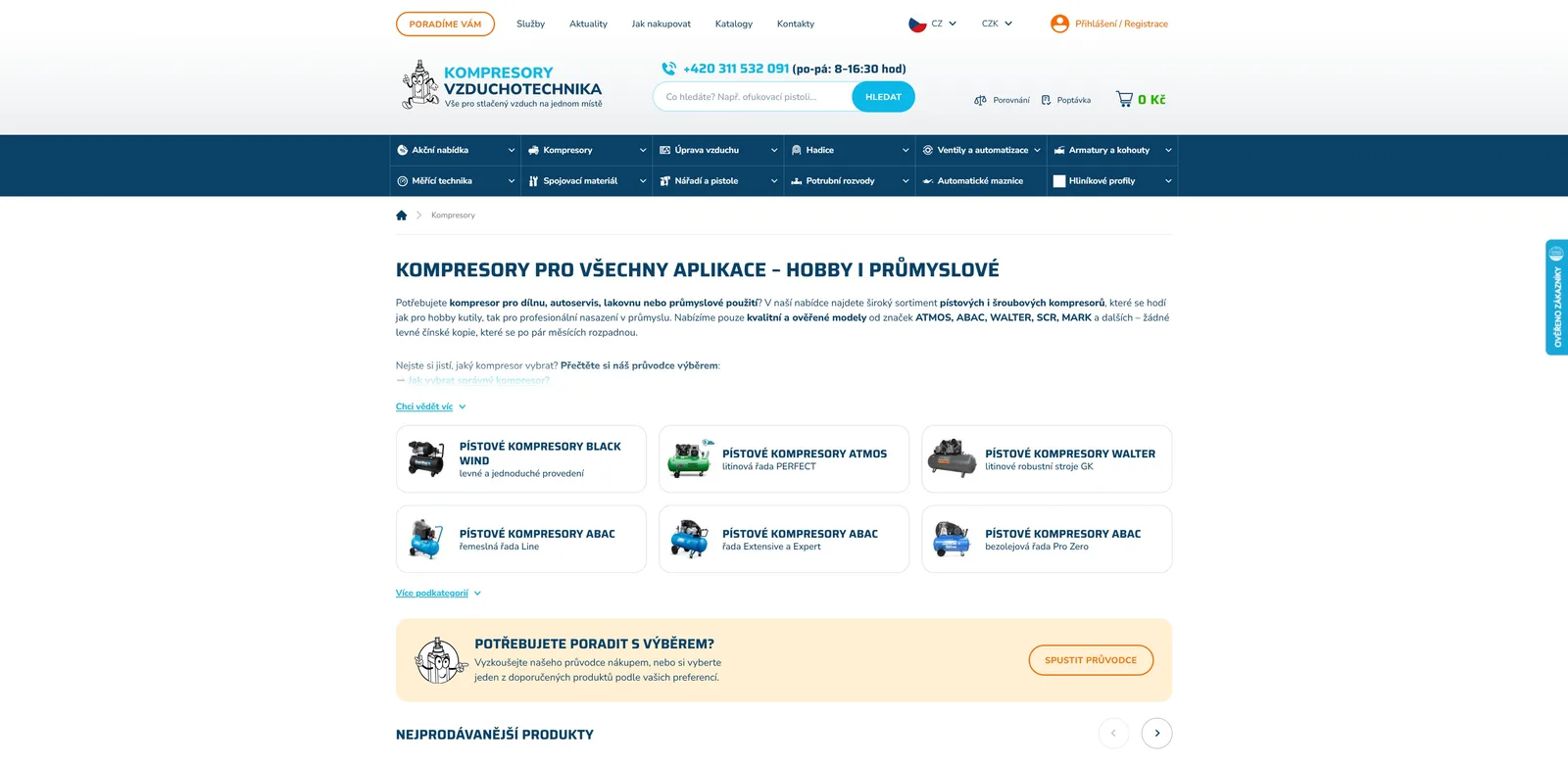
For industrial applications with high demands on reliability we recommend SCR screw compressors, which are equipped with advanced systems of protection and pressure control as standard. For plants requiring proven quality MARK compressors with certified safety elements are available. The complete offer also includes safety valves, accessories and expert advice for the right choice and dimensioning of the whole system.
Frequently asked questions
What is the main function of a decompressor in an industrial engine?
The main function of the decompressor is the temporary reduction of the compression in the cylinders of the engine when starting. This significantly reduces the resistance which the starter has to overcome and makes a reliable start possible even for engines with a high compression ratio.
Is the use of a decompressor obligatory in production facilities with pressure vessels?
The use of mechanisms for safe decompression is required by legislation by means of safety valves according to ČSN EN 13445. The operator of pressure vessels is obliged to ensure functioning safety valves and their regular inspections.
What is the difference between a manual and an automatic decompressor?
The manual one requires the intervention of the operator, the automatic one works by itself on the basis of the revolutions of the engine. The automatic type is more suitable for continuous industrial operation and systems with an automatic start.
What influence does a non-functioning decompressor have on the equipment?
A non-functioning decompressor causes slipping of the clutch and considerably higher mechanical stress at every start of the engine. In the long term this leads to premature wear of the starter, the clutch and other components.
Recommended
- How pneumatics works: a complete guide for industry 2026
- Two-stage compressor: higher efficiency for industry 2026
- How variable pressure influences the efficiency of pneumatic systems - Kompresory-Vzduchotechnika.cz
- A list of safety rules for working with a compressor in automotive 2026 - Kompresory-Vzduchotechnika.cz