

Pressure vessels under the ČSN EN 286-1 directive
EN 286-1 is a technical standard specifying the requirements for simple unfired pressure vessels intended to store compressed air or nitrogen. It was created as a harmonised standard to the original simple vessels directive (87/404/EEC) and is still used today as a recognised standard for designing and manufacturing air receivers. Manufacturers can use it to demonstrate conformity with the SPVD more easily, or as a general design code even outside the scope of mandatory certification.
#ShowMore#
What the standard covers: EN 286-1 focuses on series-produced welded vessels of simple construction made of unalloyed steel or aluminium. It applies to vessels with a single pressure space (usually a cylindrical shell with dished ends) intended for air or nitrogen, with working parameters within the SPVD range (gauge pressure above 0.5 bar, typically up to 30 bar). The standard sets detailed design principles – for instance material requirements (the chemical composition of the steel/aluminium is restricted to guarantee toughness), minimum wall thicknesses depending on diameter and strength, the shape and curvature of the ends, manufacturing methods (welding only, with some structural elements possibly bolted) and so on. The standard also contains the essential safety requirements (Annex G) that ensure the vessel meets the required strength and durability in service.
Areas of use: EN 286-1 is used above all for ordinary compressor air receivers and general compressed air vessels in stationary applications. Typical examples are receivers in industrial air networks, pressure vessels for air tools, accumulation tanks in various machinery and so on. Practically wherever an air reservoir for general purposes is needed (power and pneumatic systems in factories, workshops or infrastructure), the vessel can be designed to this standard. (Further parts of EN 286 exist for special purposes, for railway vehicles for instance, but part 1 covers general use.)
Technical and legislative requirements: Although the standard itself is not a legal regulation, complying with it often guarantees that the statutory SPVD requirements are met. EN 286-1 prescribes pressure testing (every vessel is to be tested at a test pressure, typically 1.5 times the maximum working pressure for steel vessels) and weld inspection. It also sets the working temperature range (for steel −50 °C to +300 °C, for aluminium up to +100 °C) and requires the vessel to be fitted with basic fittings (safety valve, pressure gauge and so on, depending on the intended use). Legally the standard serves as a harmonised standard – if the manufacturer follows it, the product is presumed to meet the relevant SPVD requirements. National regulations also apply to stationary pressure vessels in service, but manufacture itself follows EU directives and standards, particularly for imported equipment.
Advantages and reasons for choosing this category: Using EN 286-1 brings the advantage of proven design – a vessel designed and made to this standard meets internationally recognised safety standards. For the manufacturer it means simpler certification (easier proof of SPVD conformity); for the user it means certainty that the vessel was built to strict technical parameters. EN 286-1 vessels generally have a design optimised for strength and service life, which can mean longer trouble-free operation and easier maintenance. From the inspection standpoint it is also an advantage that this is a standardised product – the inspector knows the design standard and can assess the vessel's condition and safety in service more easily.
Target group of users: Information about EN 286-1 will be appreciated above all by technically minded customers, engineers and facility managers who want detailed data on the vessel's construction. For the end user (a compressor owner, say) what matters is that the vessel meets the applicable regulations – and EN 286-1 is one of them. In practice, then, the target group is companies buying pressure vessels for their plants who want certainty of compliance with European standards, or manufacturers and importers of pressure vessels looking for a dependable standard for their production. For ordinary users it can also matter that vessels designed to EN 286-1 are compatible with common accessories (fittings, valves) and meet the standard requirements of insurers and inspectors.
All receivers in our pressure vessel range meet the relevant European directives and therefore the associated standards (such as EN 286-1). If you buy a vessel from us, compliance with these standards is assured. Further detail on technical standards and pressure vessel legislation is in our advice article, which also covers the obligations that come with operating this equipment.
.jpg)
Product sorting
List of products

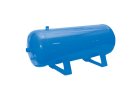
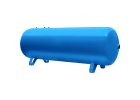
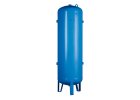
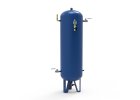
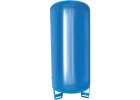
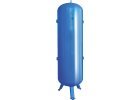
Pressure vessel "air tank" in upright design with 2,000 l capacity designed for vacuum accumulation with vacuum up to -1 bar. No fittings or safety and drain valves are included...

Pressure vessel "air tank" in upright design with 3,000 l capacity designed for vacuum accumulation with vacuum up to -1 bar. No fittings or safety and drain valves are included...

Pressure vessel "air tank" in upright design with 1,000 l capacity base designed for vacuum accumulation with vacuum up to -1 bar. No fittings or safety and drain valves are...

Pressure vessel "air tank" in upright design with 100 l capacity base designed for vacuum accumulation with vacuum up to -1 bar. No fittings or safety and drain valves are...

Pressure vessel "air tank" in upright design with 270 l capacity designed for vacuum accumulation with vacuum up to -1 bar. No fittings or safety and drain valves are included...

Pressure vessel "air tank" in upright design with 500 l capacity base designed for vacuum accumulation with vacuum up to -1 bar. No fittings or safety and drain valves are...