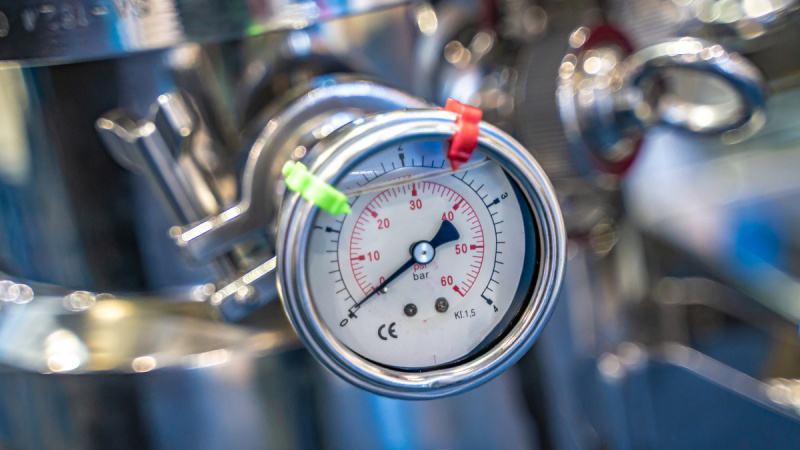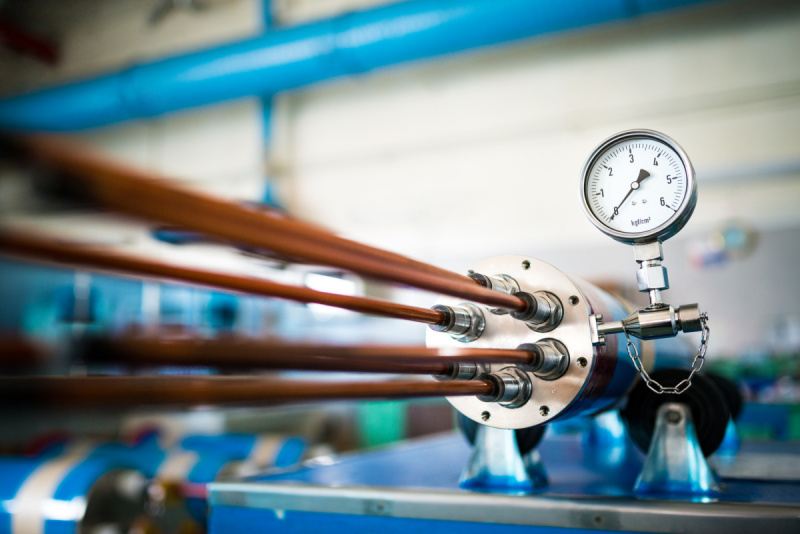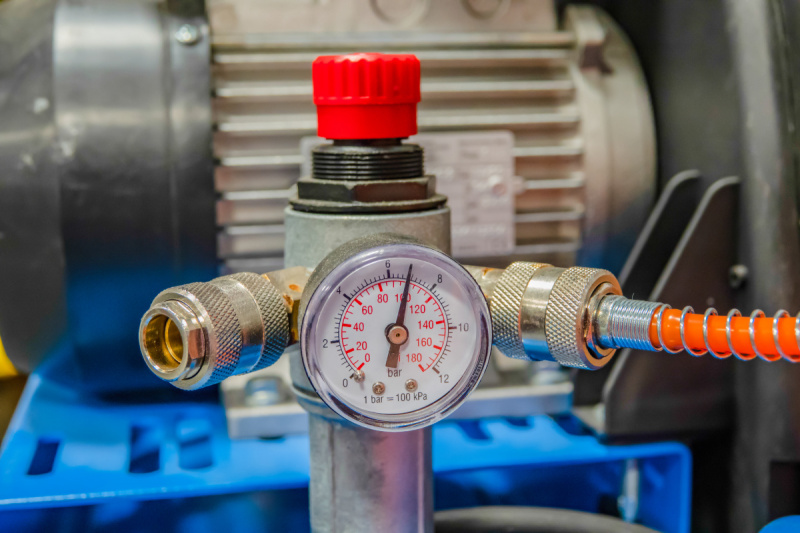


Selecting a pressure gauge – a mechanical measuring device for gas or liquid pressure, commonly known as a manometer – seems like a fairly simple matter. In reality, however, it is particularly important to consider many parameters, which gradually makes the selection process more complex. Let's look at the steps that should follow each other during selection.
Choosing the Right Type of Pressure Gauge
Depending on the type of application, you must know the requirements for mechanical resistance and the environment in which the gauge will be located. Durability follows in this order: pressure gauges with a plastic, steel, or stainless steel body, with the latter being the best version, corrosion-resistant and maximally stable.
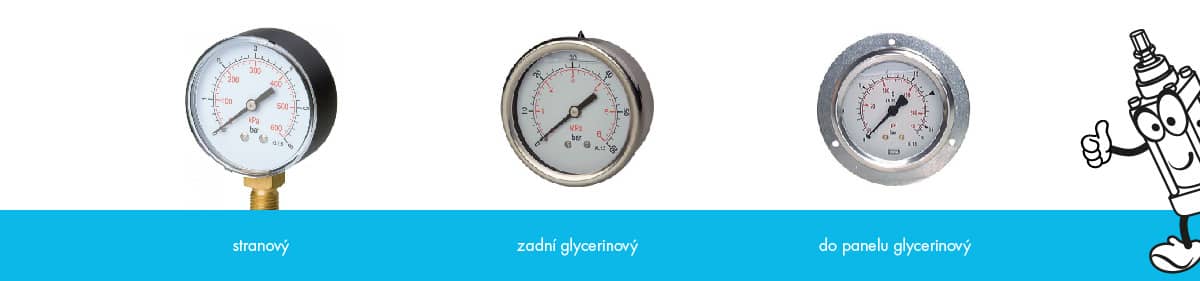
Furthermore, you need to decide whether the value on the indicator should be displayed as accurately as possible. In that case, choose a glycerine-filled pressure gauge. The lubricating properties of glycerine also prevent wear and tear.
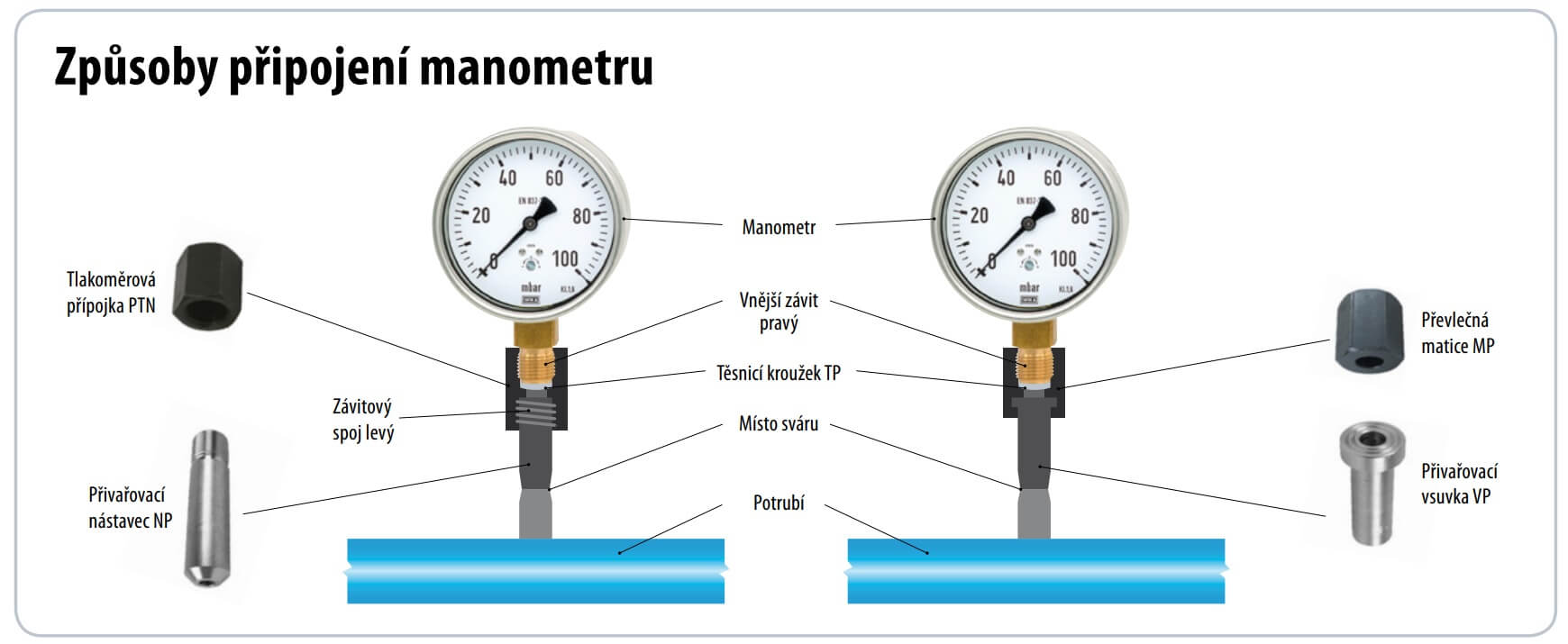
An essential part of the selection is also the connection method, for which you need to know the diameter of the gauge and the size of the connection thread.
@KATEGORIE@(/manometry--pro-mereni-tlaku/)(15,random)(slider)
Selecting the Pressure Gauge Range
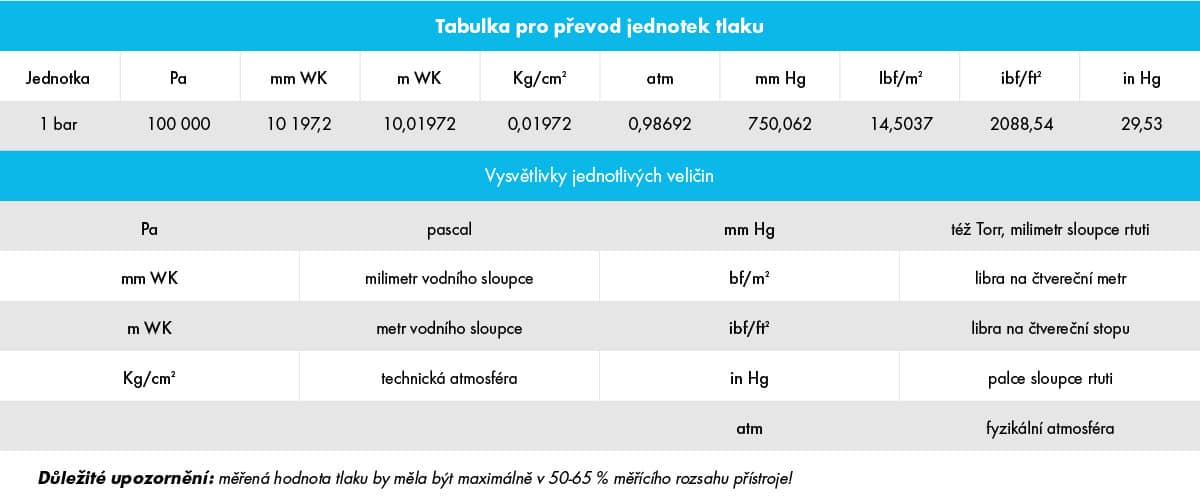
Pressure is measured in various units. In our catalog, you will find the range for all devices listed in the most commonly used unit, which is the bar. It is used in the industrial sector for its clarity, as it approximately corresponds to the older pressure unit of one atmosphere.
For potential conversion to bar from other units, use the following table:
Another Important Aspect
If the needle moves mostly near the maximum of the measured range, the measuring mechanism of the pressure gauge will be damaged. It may then show significant deviations or suffer mechanical damage, which will certainly cause further inaccuracies.
Example: If you need to measure a pressure of 8 bar, do not choose a gauge range of 0-10 bar (8 bar = 80% of the measured range), but rather a range of 0-16 bar.
Considering the Accuracy Class of the Pressure Gauge
Our offer includes devices with standard accuracy classes of 0.6%, 1.0%, 1.6%, 2.5%, and upon request, we can also supply types with even higher accuracy for panel mounting – these are not variants standing on a fixed thread in open space.
Not all pressure gauges with a rear connection have a standard rim for panel mounting. If you require this design, do not hesitate to contact us to discuss the options.
And finally – pressure gauges can be equipped with various scales. If needed, we can prepare an offer for a dial face directly according to your requirements.