

Filtration, regulation and treatment of compressed air
Treatment of compressed air is an absolutely indispensable part of every professional compressor system. Why is it so important? Compressed air naturally concentrates dust particles from its surroundings, oil residues from the unit, and a huge amount of moisture that condenses into water. This combination forms an aggressive emulsion that is extremely harmful to any equipment connected downstream of the compressor.
- ✅ Corrosion protection: Prevents rusting of pipes and clogging of expensive pneumatic tools.
- ✅ Failure prevention: Clean and dry air eliminates seizing of moving parts and valves in automated lines.
- ✅ Cost savings: Thanks to our comprehensive air treatment program, you will multiply the lifespan of the entire system and avoid costly servicing or unplanned production downtimes.
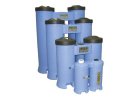
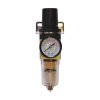
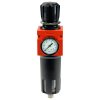
We offer you everything from air dryers and filters to pressure regulators, separators, and cyclone separators. Find out more about how to properly filter and treat air in the text below.
#ShowMore#
Basic pillars of compressed air treatment
🔹 1. Drying (Moisture Removal)
Removes water from compressed air and eliminates condensation in the distribution system.
🔹 2. Filtration (Removal of solid particles)
Ensures top air purity precisely according to ISO 8573 standard.
🔹 3. Pressure regulation
Ensures safe and constant output pressure for every application.
🔹 4. Condensate and oil separation
Efficient and ecological separation of residual hazardous liquids.
ISO 8573-1 Standard: What Quality Do You Need?
How to determine the compressed air purity required for your application? The main guide is the international ISO 8573-1 standard. It divides the quality of produced air into seven classes (0 to 6). Each class has a strictly defined maximum content of solid particles, water, and oil.
While for general workshop air, class 4-4-5 (order: particles – water – oil) is usually sufficient, the pharmaceutical, food, or chemical industries require absolute purity. We discuss this topic in detail in the article: How to Filter Compressed Air.
Step-by-step air treatment
The correct sequence of components is key! Immediately after the compressor, it is best to install an air dryer supplemented with pre-filtration (e.g., a cyclone separator) to capture coarse condensate. This is followed by fine filtration, the micron purity of which depends on your needs (different for a paint shop, different for a dentist).
At the very end of the line, the air is regulated to the required pressure. Don't forget that filter cartridges and granules have a limited lifespan. For measuring wear in professional filters, we therefore use clogging indicators or differential pressure gauges.
Further expert articles from our advice center:

-hankison-susicka-vzduch-kompresor-tllak-kondenzace-rosny-bod.jpg)




Product sorting
List of products
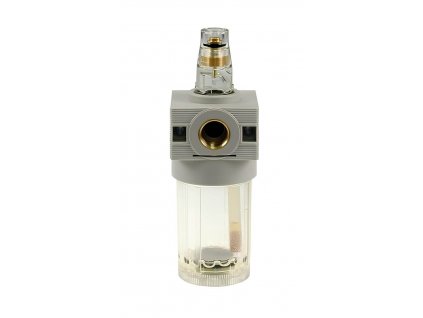
Compact lubricator for compressed air treatment up to 13 bar with a flow rate of up to 710 l/min. Connection internal thread 1/4". Compressed air lubrication for pneumatic...
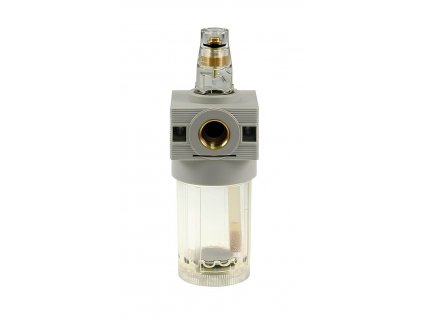
Compact lubricator for compressed air treatment up to 13 bar with a flow rate of up to 710 l/min. Connection internal thread 1/8". Compressed air lubrication for pneumatic...

Miniature compressed air lubricator in plastic design up to 12 bar with a maximum flow rate of 710 l/min. Connection via 1/4" female pipe thread.